













































UV vs UV-DTF vs DTF Printing: What's the Difference?
UV printing, UV-DTF, and DTF printing sound like three versions of the same thing, and the names do not help. They are three different processes built on two different ink technologies, and the right one depends entirely on what you are printing on. Pick the wrong one and you are fighting the ink instead of running a business.
Here is the short version. UV printing prints directly onto hard goods. UV-DTF prints onto a film that sticks to curved or irregular hard goods. DTF printing prints onto a film that heat-presses onto soft goods like apparel. Same family of ideas, three different jobs.
The one-sentence answer: UV and UV-DTF both use UV-curable inks that harden instantly under UV light, while DTF uses pigment-based inks cured with adhesive powder and heat. That single difference in ink and curing decides what each process can print on.
What Is UV Printing?
UV stands for ultraviolet, and it is all about instant results. The printer uses special UV-curable inks that are hardened, or cured, instantly by a built-in UV light. That means no drying time and no waiting. Your print is ready to go the second it comes off the bed.
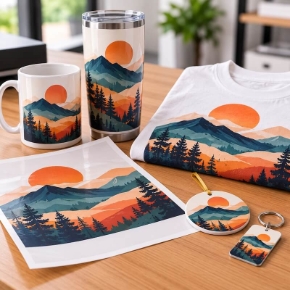
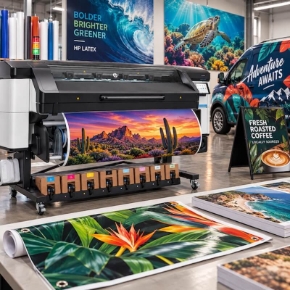
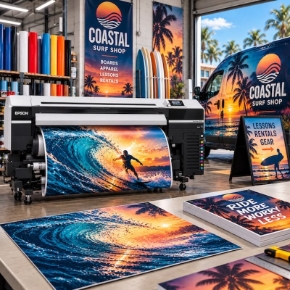
The Roland BD Series and the Epson V-Series are great examples of flatbed UV printers. They are designed for hard substrates, things like acrylic, metal, tumblers, golf balls, lunch boxes, and more. If it is rigid and has a flat or semi-flat surface, UV printing can make it pop.
The Epson V-Series runs from desktop to production: the Epson SureColor V1070 for desktop work, the Epson SureColor V4000 in the mid-range, and the Epson SureColor V7000 as the full-size production flatbed. Read more in our UV Printing Guide.
What Is DTF Printing?
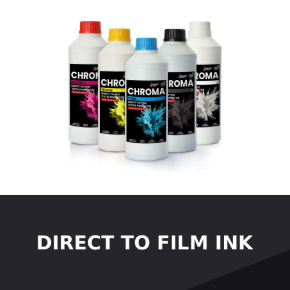
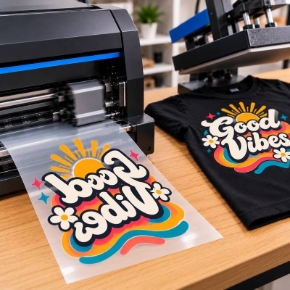
DTF stands for Direct-to-Film printing. Unlike UV, this process uses DTF pigment inks, not UV-curable ones. Here is how it works:
- You print your design onto a special DTF film.
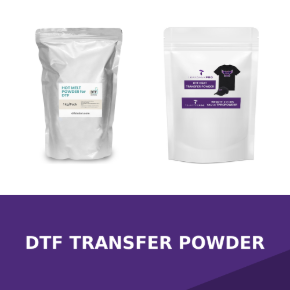
- You coat it with adhesive powder.
- You run it through a curing oven.
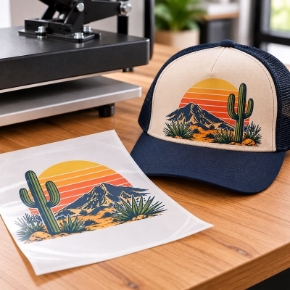
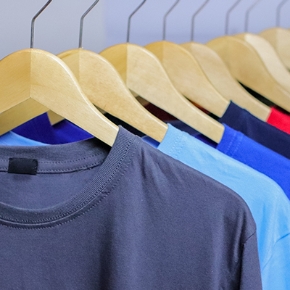
- And finally, you heat-press it onto your shirt, hoodie, tote bag, you name it.
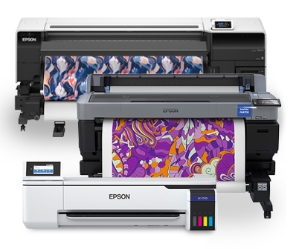
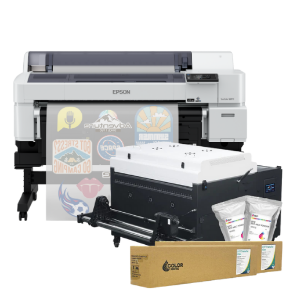
Printers like the Roland BY-20, Roland TY-300, Epson SureColor G6070, and Epson SureColor G9070 are designed specifically for DTF. This process is perfect for soft substrates like apparel and fabric, giving you flexible, stretchable, long-lasting prints that move with the material.
What Is UV-DTF Printing?
Now let's combine the two technologies and call it UV-DTF. Is it using DTF inks? Can you use a DTF printer to create UV-DTF prints? No and no.
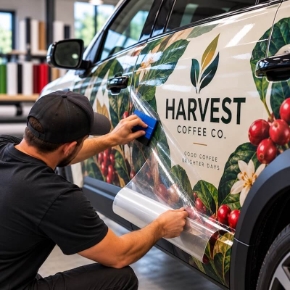
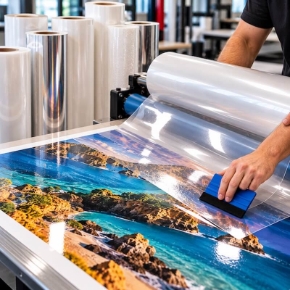
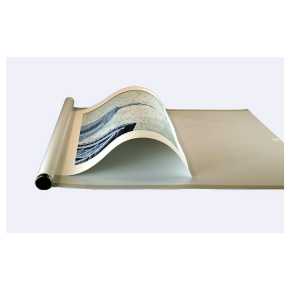
With UV-DTF, you are back to using UV, ultraviolet curable inks. Printers like the Roland BD Series or Epson V Series will print onto a special UV-DTF film instead of directly onto the object. Ultraviolet ink directly to film, UV-DTF, creating a glossy, durable, raised or textured sticker of sorts.
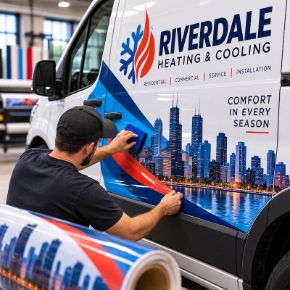
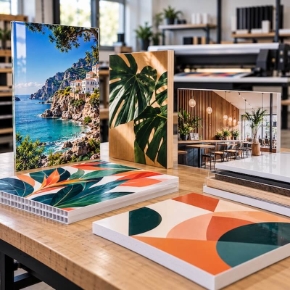
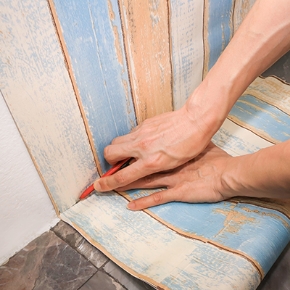
That film is then transferred to the item, like a tumbler, candle, or glass, using simple pressure or a squeegee. You still get UV ink, UV curing, and that same tough, scratch-resistant finish, but now it sticks beautifully to curved or irregular shapes.
UV vs UV-DTF vs DTF at a Glance
| UV Printing | UV-DTF Printing | DTF Printing | |
|---|---|---|---|
| Ink | UV-curable ink | UV-curable ink | DTF pigment-based ink |
| How it cures | Cured instantly by UV light | Cured instantly by UV light | Adhesive powder and curing oven, then heat press |
| How it gets on the item | Printed directly onto the object | Printed onto UV-DTF film, then stuck on with pressure or a squeegee | Printed onto DTF film, powdered, cured, then heat-pressed |
| Best for | Hard surfaces that are flat or slightly curved | Curved or irregular hard surfaces like tumblers and glass | Apparel and other soft substrates |
| Finish | Tough, scratch-resistant, ready immediately | Glossy, durable, raised or textured sticker finish | Flexible, stretchable, long-lasting, moves with the fabric |
| Printers | Roland BD Series, Epson V Series | Roland BD Series, Epson V Series | Roland BY-20, Roland TY-300, Epson G6070 |
Which One Is Right for Your Business?
It comes down to the surface. If you are printing directly onto hard surfaces that are flat or slightly curved, a UV printer is what you need. Meanwhile, that same UV printer, like the Roland BD Series or the Epson V Series, can print directly onto UV film, so you can then stick that image to more irregular hard surfaces like tumblers or glass or any hard surface. But if you are strictly creating apparel or pressing onto other soft substrates, DTF, not UV, is the method you need, using the Roland BY-20, TY-300, or the Epson G6070 or larger G9070.
So remember: UV and UV-DTF both use UV-curable inks and light curing, while DTF uses heat-cured pigment inks with adhesive powder.
UV = hard goods.
UV-DTF = curved goods.
DTF = soft goods.
What You Need to Get Started
At IT Supplies, we carry the full lineup of printers you need, plus the films, powders, and accessories to get your business running smoothly. Whether you are customizing tumblers, personalizing phone cases, or printing t-shirts, it is all about choosing the right tool for the right job.
Not sure which process fits your work yet? Send us your artwork and we will print it for you. Go to ITSupplies.com/printsamples, upload your work, and we will get it shipped back to you on a t-shirt, coffee mug, lunchbox, you name it. We will find a way to print it.
Frequently Asked Questions
Can you use a DTF printer to create UV-DTF prints?
No. UV-DTF uses UV-curable inks, not DTF pigment inks, so it needs a UV printer like the Roland BD Series or the Epson V Series. A DTF printer cannot run UV-DTF.
What is the difference between UV printing and UV-DTF printing?
The ink and the curing are the same: UV-curable ink hardened instantly by UV light. The difference is where the ink lands. UV printing prints directly onto the object. UV-DTF prints onto a special film first, and that film is then stuck onto the object, which is how it handles curved or irregular shapes a flatbed cannot print on directly.
What can you print with a UV printer?
Hard, rigid surfaces that are flat or semi-flat, including acrylic, metal, tumblers, golf balls, and lunch boxes. The print is cured instantly and ready to go the second it comes off the bed.
What is DTF printing best for?
Apparel and other soft substrates: shirts, hoodies, tote bags, and fabric. The prints are flexible, stretchable, and long-lasting, and they move with the material.
What is UV-DTF best for?
Curved or irregular hard surfaces like tumblers, candles, and glass. The film creates a glossy, durable, raised or textured sticker that sticks with simple pressure or a squeegee, with the same tough, scratch-resistant UV finish.
Talk UV, UV-DTF, and DTF With Our Team
Tell us what you print, and we will help you pick the right process and the right printer for your shop.
Call 1-800-771-9665 Shop the V7000 Shop DTF Printers Request Print Samples