















































DTF Printing Guide: Equipment, Startup Costs, Durability & Applications
Direct-to-film (DTF) printing has become a popular option for businesses producing custom apparel, promotional products, and personalized merchandise. It lets you print full-color designs onto a special transfer film, apply adhesive powder, cure the transfer, and use a heat press to apply the finished design to a garment or other compatible material.
One of the biggest advantages of DTF printing is its versatility. It can reproduce detailed artwork, photographs, gradients, and multicolor designs without the need to create individual screens for each color, and it works with a wider range of fabrics than many other garment-printing methods.
Whether you are starting a custom apparel business, adding a new service to an existing print shop, or researching your first DTF printer, understanding the equipment, supplies, costs, and production process will help you determine whether DTF is the right fit.
What Is DTF Printing?
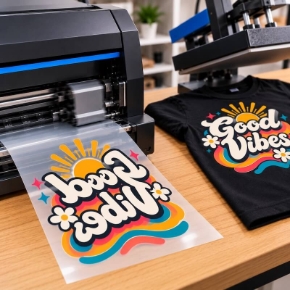
DTF printing stands for direct-to-film printing. It is a digital printing process in which artwork is printed onto specialized PET film rather than directly onto a shirt or other finished product. The printed design is combined with a hot-melt adhesive powder, which is cured before the transfer is applied to the material using a heat press.
A typical DTF workflow involves five steps:
- Prepare the artwork. Create the design and prepare it in the appropriate RIP software for printing.
- Print the design. The DTF printer applies CMYK color inks and white ink to the transfer film.
- Apply adhesive powder. Hot-melt powder is applied to the printed ink so the design can bond to the material.
- Cure the transfer. The adhesive powder is heated according to the manufacturer's recommended settings.
- Heat press the design. The finished transfer is pressed onto the garment or other compatible substrate using the appropriate time, temperature, and pressure.
The exact process varies by printer and finishing equipment. Some systems automate powder application and curing, while smaller setups may require more manual handling.
How Much Does It Cost to Start a DTF Printing Business?
The cost of starting a DTF printing business depends on whether you plan to purchase ready-made transfers or produce your own, along with the size, speed, and automation of the equipment you choose. A business that purchases transfers and applies them with a heat press can get started for considerably less than one that prints everything in-house.
For planning purposes, here are three common approaches:
| Setup | Approximate initial investment | Best suited for |
|---|---|---|
| Heat press with purchased transfers | $500–$2,000 | Beginners testing the market or selling custom apparel as a side business |
| Small in-house DTF production setup | $5,000–$12,000 | Small businesses that want control over their own transfer production |
| Higher-capacity production setup | $12,000–$25,000+ | Established print shops and businesses handling larger or more frequent orders |
These are general budgeting estimates, not equipment quotes. Actual costs depend on the printer model, included accessories, software, finishing equipment, installation, and initial supplies, and a larger commercial production line can cost considerably more.
What equipment do you need for a DTF setup?
A complete in-house DTF printing setup typically includes the following equipment and supplies:
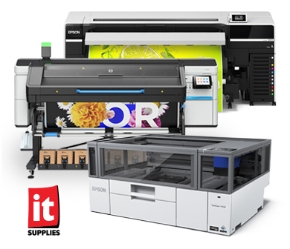
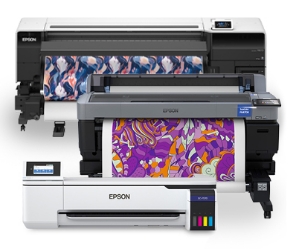
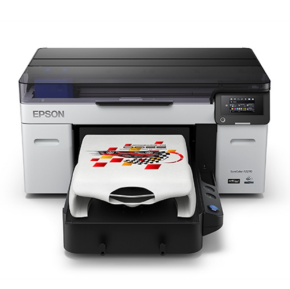
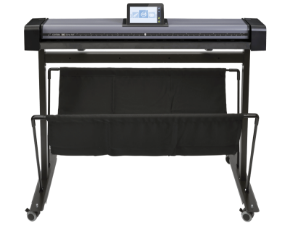
DTF printer: The printer produces the design on PET transfer film using CMYK and white inks. Desktop models start at 20 inches wide, such as the Roland VersaSTUDIO BY-20. Roll-fed options include the 24-inch STS XPD-924D, the 30-inch Roland TY-300, and the 35-inch Epson SureColor G6070, while the 64-inch Epson SureColor G9070 is built for production volumes. The Epson SureColor F1070 combines DTG and DTF in a single hybrid machine. Wider roll-fed printers are better suited to businesses producing larger graphics or gang sheets.
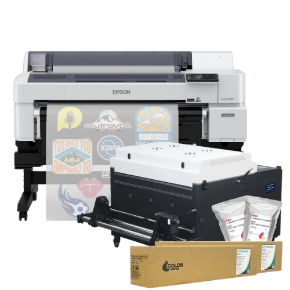
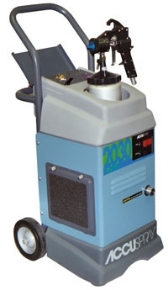
Powder shaker and curing system: The shaker distributes adhesive powder across the printed design, and the curing system melts the powder to prepare the transfer for application. Depending on the equipment, these functions may be combined in one machine or handled separately.
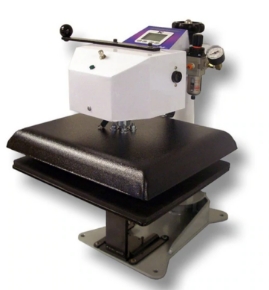
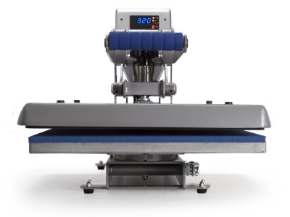
Heat press: A heat press applies the finished transfer to the garment. Consistent temperature and pressure are important for reliable adhesion, and the platen size should accommodate the designs and products you intend to produce.
RIP software: Raster image processing software manages print settings, color output, white ink, and other aspects of the production workflow. Some printers include compatible software, while others require a separate license.
Computer and design software: You will need a computer capable of running the printer's software, along with a way to create or prepare artwork.
Initial consumables: Plan for DTF ink, PET transfer film, hot-melt adhesive powder, appropriate cleaning supplies, and test materials.
Workspace and ventilation: Consider electrical requirements, space for the printer and finishing equipment, storage for supplies, and appropriate ventilation based on the equipment and materials being used. Follow the manufacturer's installation and safety requirements.
Do you need a powder shaker for DTF printing?
Not every DTF setup requires an automatic powder shaker, but a shaker and curing system can make a significant difference in production.
After the design is printed, adhesive powder must be distributed evenly across the inked areas. Excess powder needs to be removed before the transfer is cured, and the adhesive is then heated to prepare it for application.
For occasional production, a manual process may be practical if the equipment and workflow allow it. As production increases, manual powder application becomes more time-consuming and can introduce inconsistencies.
An automated powder shaker can help with:
- More consistent adhesive powder application.
- Faster processing of multiple transfers.
- Reduced manual handling.
- More efficient production of gang sheets and longer runs.
- Integration with a repeatable curing workflow.
When choosing a shaker, consider the width of your printer, your expected output, how transfers move through the system, and whether the curing capacity can keep up with the printer. An undersized finishing system can become a production bottleneck even when the printer itself is fast.
What supplies do you need for DTF printing?
The main consumables are DTF ink, PET transfer film, and hot-melt adhesive powder. You will also need appropriate cleaning and maintenance supplies.
DTF ink: Most conventional DTF workflows use cyan, magenta, yellow, black, and white inks. White ink provides the backing needed to produce visible colors on dark garments.
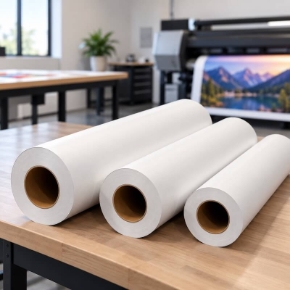
PET film: This is the film onto which the design is printed. Film specifications, coating, and peel characteristics must be compatible with the printer and the transfer process.
Hot-melt adhesive powder: The powder bonds the printed design to the garment during heat pressing. Different formulations and particle sizes may suit different applications.
Cleaning and maintenance supplies: DTF printers require regular maintenance, particularly because white ink can settle and cause problems if the printer is not maintained according to the manufacturer's instructions. Use the cleaning products and procedures specified for your equipment.
Test garments and other blanks: Keep sample materials available to check color, placement, adhesion, and durability before fulfilling customer orders.
It is important to use compatible inks, film, powder, and curing settings. Changing one component can affect the finished result, so test the complete workflow before moving into production.
How Long Do DTF Prints Last on Shirts?
A properly produced and applied DTF transfer can last through many washes and remain wearable for years. However, there is no single lifespan that applies to every DTF print.
Durability depends on the transfer materials, print quality, curing process, heat press temperature and pressure, fabric, and how the garment is washed and dried. A well-made transfer should remain adhered to the fabric without premature peeling or cracking. Poorly cured adhesive, incorrect press settings, incompatible materials, or inadequate pressure can shorten its lifespan.
How do you make DTF prints last longer?
For the best results:
- Follow the transfer and heat press manufacturer's recommended temperature, pressure, and application time.
- Make sure the adhesive is properly cured before pressing.
- Peel the film away according to the transfer manufacturer's instructions, whether hot, warm, or cold peel.
- Follow the recommended post-press procedure when one is specified.
- Turn garments inside out before washing.
- Use the care instructions appropriate for the garment and the transfer.
- Avoid unnecessarily aggressive washing or drying conditions.
Testing is particularly important when working with unfamiliar fabrics or changing transfer materials. Before selling a new design or garment combination, wash-test samples to confirm that the finished product meets your quality expectations.
What Can You Print With DTF?
DTF printing is best known for custom apparel, but its applications extend beyond standard T-shirts. It is especially useful for producing full-color designs on compatible fabrics without needing to print directly onto each finished item.
T-shirts and custom apparel
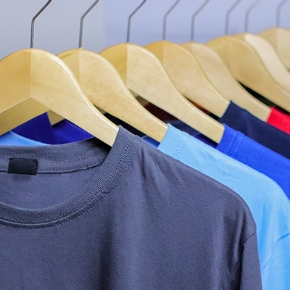
Custom T-shirts are one of the most common DTF applications. Businesses can produce company shirts, event apparel, branded merchandise, personalized gifts, and short-run designs without setting up traditional screens. DTF is also useful for printing on hoodies, sweatshirts, jerseys, tote bags, and other compatible fabric products.
Workwear and uniforms
Businesses can use DTF transfers for logos, team names, promotional graphics, and other branding on compatible uniforms and workwear. For garments exposed to demanding conditions or frequent industrial laundering, test the complete application carefully and confirm that the transfer is appropriate for the intended use.
Hats, bags, and accessories
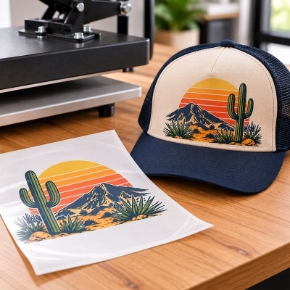
Depending on the product's shape, material, and available pressing equipment, DTF transfers can be applied to compatible bags, caps, and fabric accessories. Curved surfaces and seams can make application more challenging, so the correct press attachment and a suitable application area are important.
Sports teams and event merchandise
DTF makes it practical to produce colorful graphics, player names, numbers, and event-specific designs. It can be particularly useful when orders include multiple designs or small quantities.
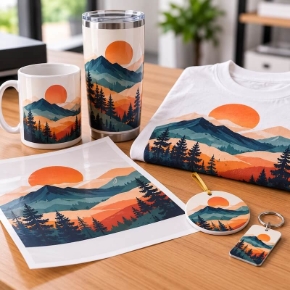
Promotional products and personalized gifts
Custom fabric accessories, small merchandise runs, and personalized items can all be potential applications. Suitability depends on the substrate and whether it can withstand the required heat and pressure.
Logos, labels, and detailed artwork
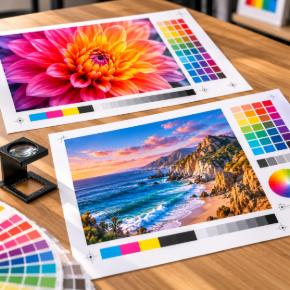
Because DTF is a digital process, it can reproduce detailed graphics, multiple colors, gradients, and intricate designs without creating a separate screen for each color. Some businesses also use DTF transfers for garment branding and neck-label applications, provided the materials and application process are suitable.
Important: Standard DTF transfers are intended for compatible materials and surfaces. They should not be assumed to work on every substrate. Rigid products, heat-sensitive materials, heavily textured surfaces, and specialty fabrics require testing or a different printing method.
Is DTF Printing Better Than DTG, Sublimation, or Screen Printing?
No single printing method is best for every job. The right choice depends on the material, artwork, quantity, expected durability, and production requirements.
| Printing method | Where it works well | Main consideration |
|---|---|---|
| DTF | Full-color transfers for a variety of compatible fabrics | Requires film, adhesive powder, curing, and heat pressing |
| DTG (direct-to-garment) | Printing directly onto garments, particularly cotton apparel | Garment preparation and fabric compatibility matter |
| Dye sublimation | Polyester fabrics and specially coated rigid products | Standard sublimation is not suitable for ordinary untreated cotton |
| Screen printing | Larger runs with repeatable designs | Setup and screen preparation can make small, multicolor jobs less economical |
DTF vs. DTG
DTF prints a transfer that is applied to the garment later. DTG prints directly onto the garment itself. DTF can be attractive for businesses that want to prepare transfers in batches, decorate different compatible fabrics, or keep transfers ready for later application. DTG can be a good choice for businesses focused on direct printing onto suitable garments.
DTF vs. Dye-Sublimation
Sublimation is particularly effective for polyester fabrics and specially coated products. Conventional sublimation does not produce the same results on untreated cotton. DTF offers a different approach because the design is transferred through an adhesive layer rather than relying on sublimation dye bonding with polyester fibers.
DTF vs. Screen Printing
Screen printing is often a strong option for repeat production of larger quantities. DTF can be more convenient for short runs, complex multicolor graphics, and designs that change frequently. The most economical choice depends on setup costs, order volume, production speed, labor, and material consumption.
Should You Buy a DTF Printer or Purchase Transfers?
If you are starting a custom apparel business, purchasing ready-made DTF transfers can be a practical way to begin. You will need a suitable heat press, blank products, and a reliable transfer supplier, but you will not need to invest in a DTF printer, powder shaker, curing system, or printer-specific consumables. This approach lets you test demand, develop a customer base, and learn garment decoration before committing to in-house production.
Producing transfers yourself gives you more control over turnaround times, artwork changes, and production scheduling. It may also make sense when you have enough recurring volume to justify the equipment and operating costs.
Before investing, consider:
- How many transfers you expect to produce each week.
- Whether you need same-day or next-day production.
- How much space you have available.
- Whether you can manage daily printer maintenance.
- The cost of outsourced transfers compared with your complete in-house production costs.
- How much production capacity you expect to need as the business grows.
Remember to include labor, wasted prints, maintenance, equipment depreciation, and overhead when comparing costs. Ink and film costs alone do not determine whether producing transfers in-house is more economical.
What Are the Biggest Challenges With DTF Printing?
DTF offers considerable flexibility, but it is not a completely hands-off process.
Printer maintenance: White ink requires particular attention. Following the manufacturer's maintenance schedule is important to minimize print-quality problems and downtime.
Consistent curing: The adhesive must be properly cured. Incorrect settings can affect transfer performance and durability.
Heat press technique: Temperature, pressure, time, and peel instructions all influence the finished result.
Material compatibility: Not every film, ink, powder, garment, or specialty fabric combination will perform the same way.
Production workflow: A fast printer does not automatically mean a fast production line. Powder application, curing, cutting, garment preparation, pressing, and finishing all affect overall throughput.
Cost management: Wasted film, ink, powder, rejected garments, labor, and maintenance can add up. Track actual costs per finished transfer or decorated garment instead of estimating profitability from consumable prices alone.
A consistent workflow, compatible materials, proper maintenance, and routine quality checks can help reduce these problems.
Frequently Asked Questions About DTF Printing
Can you start a DTF printing business from home?
Yes. A home-based business can start by purchasing transfers and applying them with a heat press, or by installing a compact in-house DTF system. Consider workspace, ventilation, electrical requirements, storage, and maintenance before installing production equipment.
Do you need a special printer for DTF?
Yes. You need a DTF printer designed or configured for the process, with compatible inks, film, and software. A standard office printer is not a substitute for a supported DTF printing system.
Do you need white ink for DTF printing?
Yes. White ink is a key part of conventional DTF printing. It provides an opaque backing that helps colors remain visible on dark or colored garments, and it also requires appropriate maintenance.
What does a DTF powder shaker do?
A powder shaker distributes hot-melt adhesive powder over the printed transfer film. A connected or separate curing system then heats the powder so the transfer is ready for application.
Can you print white designs with DTF?
Yes. DTF workflows can produce white artwork and use white ink as an underbase for colored designs. The artwork and RIP settings determine how white ink is used.
Can DTF print on cotton and polyester?
Yes. DTF transfers can be applied to many compatible cotton, polyester, and blended fabrics. Always confirm the transfer's suitability for the fabric, and test the application before production.
Can DTF transfers be applied to dark shirts?
Yes. White ink provides the backing that allows colored artwork to stand out on dark garments. Correct ink coverage and application settings are important.
Do DTF prints crack or peel?
They can if the transfer is poorly produced, inadequately cured, improperly pressed, or exposed to unsuitable washing conditions. Properly produced and applied transfers should resist premature cracking and peeling, but performance varies by materials and use.
How many washes can a DTF shirt withstand?
There is no universal wash-count guarantee. Durability depends on the complete printing and application process, the garment, and care conditions. Wash-test samples to evaluate a particular setup rather than relying on a single number for every transfer.
Is DTF printing expensive to run?
Operating costs include ink, film, adhesive powder, maintenance, electricity, labor, waste, and equipment costs. Your cost per transfer will vary with its size, ink coverage, production efficiency, and the equipment you use.
Can DTF print photographs and gradients?
Yes. DTF is a digital process capable of reproducing full-color artwork, photographs, gradients, and detailed designs when the image and print settings are prepared appropriately.
Is DTF good for small orders?
It can be. DTF does not require the same screen-making setup as traditional screen printing, which makes it practical for personalized products, short runs, and designs that change frequently.
Can you use DTF transfers on hats and bags?
Some hats, bags, and accessories are suitable, but the material, surface shape, seams, and heat press equipment all matter. Check compatibility and test the application before producing a large order.
What is the difference between DTF and UV DTF?
Standard DTF uses a printed film and hot-melt adhesive to transfer artwork to compatible fabrics, typically using a heat press. UV DTF uses UV-cured inks and a different transfer construction, generally intended for decorating compatible hard surfaces and products. The two processes use different materials and equipment and are not interchangeable.
Explore DTF Printing Equipment and Supplies
Choosing the right DTF system starts with understanding what you want to produce, how much volume you expect, and how much automation your workflow requires. IT Supplies carries DTF printers from Epson, Roland, and STS, along with DTF film, inks, adhesive powder, and finishing equipment. Selecting compatible components is an important part of building a reliable production workflow.
If you are evaluating DTF for the first time or looking to expand an existing print operation, our team can help you explore equipment options for your production needs.
Contact IT Supplies at 1-800-771-9665 to discuss your DTF printing requirements.

Write a comment